

Learn Rotomoulding

This guide examines industries and career paths for architecturegraduates, as well as resources that can help professionals.

What is Rotomoulding?

A Simple Process.
Remarkable Possibilities.

Rotomoulding, or rotational moulding, is a plastic manufacturing process used to create hollow, seamless and durable products.

Unlike conventional moulding processes, the material is placed inside a mould and heated while the mould rotates around two axes. As the polymer melts, it gradually coats the inside surface of the mould to form the finished product.

Seamless
No joints or weld lines.
Uniform
Consistent wall formation throughout the product.
Versatile
Complex shapes and large hollow products can be produced.
Learn Rotomoulding

Understand Rotomoulding. From Powder to Possibility.

Discover how rotational moulding transforms polymer powder into strong, seamless and complex plastic products – from water tanks and industrial containers to automotive and infrastructure components.

1982
NAROTO begins its journey in rotomoulding machinery.
Growth
Machines, moulds and supporting technologies evolve with industry requirements.
Engineering
Investment in design engineering, automation and advanced machine technology.
Today
Machines + moulds + ancillary equipment + engineering + support.
What is Rotomoulding?

A Simple Process.
Remarkable Possibilities.

Rotomoulding, or rotational moulding, is a plastic manufacturing process used to create hollow, seamless and durable products.

Unlike conventional moulding processes, the material is placed inside a mould and heated while the mould rotates around two axes. As the polymer melts, it gradually coats the inside surface of the mould to form the finished product.

Seamless
No joints or weld lines.
Uniform
Consistent wall formation throughout the product.
Versatile
Complex shapes and large hollow products can be produced.
How does Rotomoulding work?

From Powder to Product

Follow the sequence below. Each step changes the state of the mould – powder loading, heat, biaxial rotation, wall build, cooling and release.

Why Rotomoulding?

Why Manufacturers Choose Rotomoulding

Follow the sequence below. Each step changes the state of the mould – powder loading, heat, biaxial rotation, wall build, cooling and release.

01.
Seamless Products
Produces hollow products without joints or weld lines.
02.
Design Freedom
Allows complex shapes, curves, contours and integrated features.
03.
Consistent Wall Thickness
Controlled processing helps create uniform product walls.
04.
Low Material Waste
Material is placed directly into the mould, helping minimise waste.
05.
Large Product Capability
Well suited to large hollow products such as tanks and containers.
06.
Cost-Effective Tooling
Rotomoulding can offer economical tooling compared with some alternative processes, particularly for lower-to-medium production volumes.
Materials Used

The Polymer Makes the Product. The Process Makes It Possible.

What goes into a rotomoulded product?
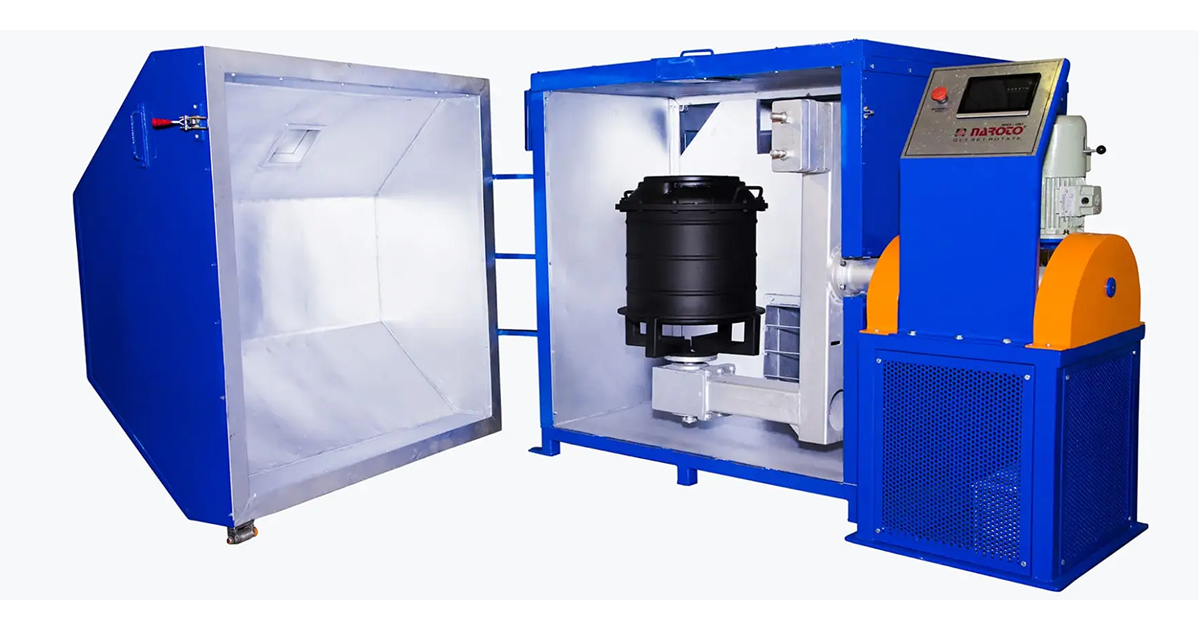
Polyethylene
Widely used because of its durability, chemical resistance and processing characteristics.
Linear Low-Density PE
Popular for tanks, containers and general-purpose rotomoulded products.
High-Density PE
Used where greater stiffness and durability are required.
Cross-linked PE
Used for specialised applications requiring enhanced properties.
What can you make with Rotomoulding?

From Everyday Products to Industrial Solutions

Water & Storage
Infrastructure
Industrial
Agriculture
Automotive
Consumer
Select the fields to be shown. Others will be hidden. Drag and drop to rearrange the order.
  • Image
  • SKU
  • Rating
  • Price
  • Stock
  • Availability
  • Add to cart
  • Description
  • Content
  • Weight
  • Dimensions
  • Additional information
Click outside to hide the comparison bar
Compare